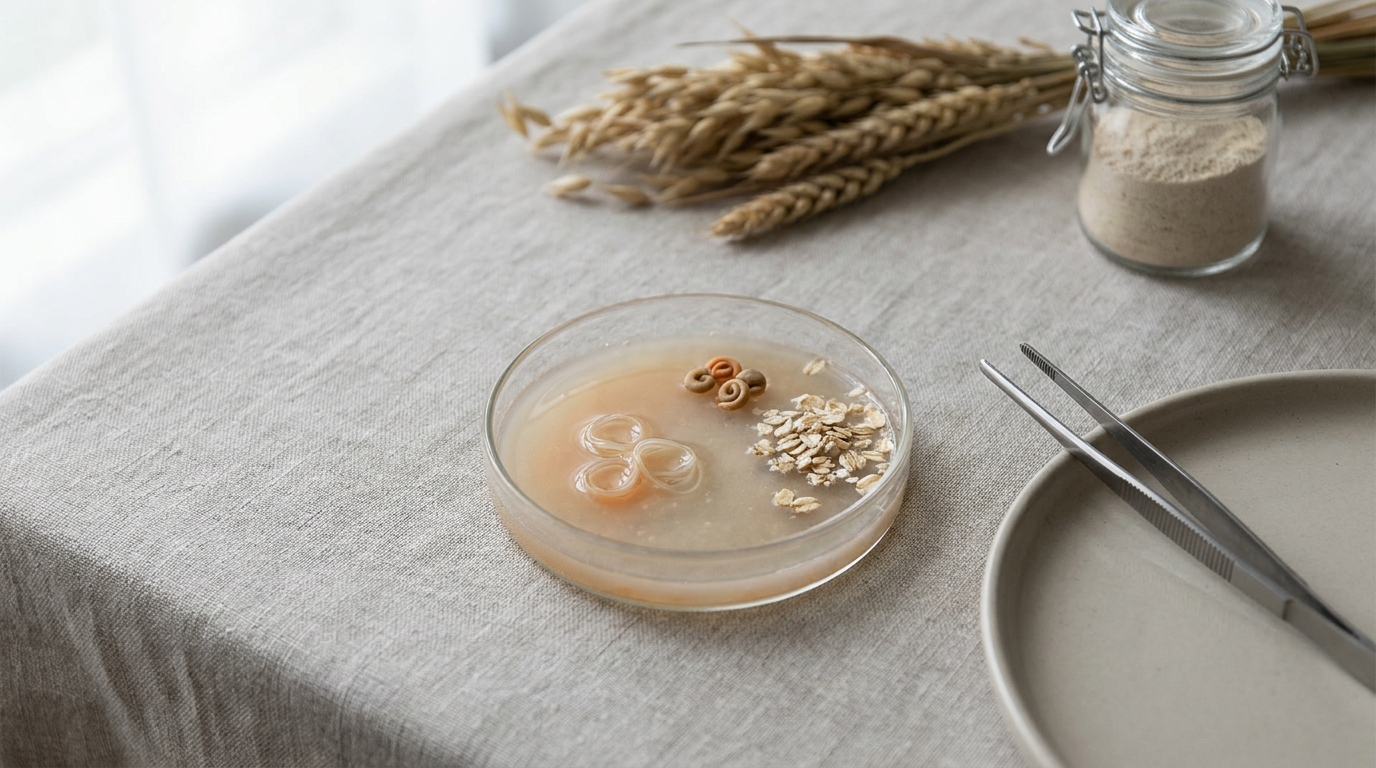
A study published on July 10, 2026, reveals a significant interaction between dietary fiber intake and the anti-inflammatory properties of beneficial intestinal worms. Researchers found that the ability of these worms to mitigate inflammation within the gut is directly influenced by the amount of fiber consumed by the host. This finding suggests that dietary fiber is not only crucial for direct gut health but also plays a pivotal role in modulating the immune responses facilitated by certain gut inhabitants.
The research, which involved controlled dietary interventions, demonstrated that when subjects consumed a diet rich in fiber, the anti-inflammatory effects of the intestinal worms were markedly enhanced. Conversely, in the absence of sufficient dietary fiber, the worms' capacity to reduce inflammation was diminished. This indicates a symbiotic relationship where fiber provides the necessary substrate for the worms to exert their beneficial effects, likely through metabolic pathways that influence the host's immune system. The study focused on specific types of intestinal worms known for their immunomodulatory properties, often explored in contexts of autoimmune diseases.
Fiber's Impact on Gut Immunity
The mechanism behind this interaction is thought to involve the fermentation of dietary fiber by gut microbiota, producing short-chain fatty acids (SCFAs) such as butyrate. These SCFAs are known to have potent anti-inflammatory effects and are crucial for maintaining the integrity of the gut barrier. The study posits that these SCFAs may either directly support the worms' anti-inflammatory functions or create an environment that optimizes their immunomodulatory activities. This adds another layer to our understanding of how diet, the microbiome, and macro-organisms interact within the complex ecosystem of the gut.
This research underscores the broader implications of dietary choices on gut health and immune function. While the study provides valuable insights into the intricate relationship between diet and gut inhabitants, it is important to note that much of this research is still in its early stages and often involves animal models. Further human trials are necessary to fully elucidate these mechanisms and translate them into specific dietary recommendations for human health. Nonetheless, the findings reinforce the long-standing recommendation for a fiber-rich diet to support overall digestive and immune well-being.