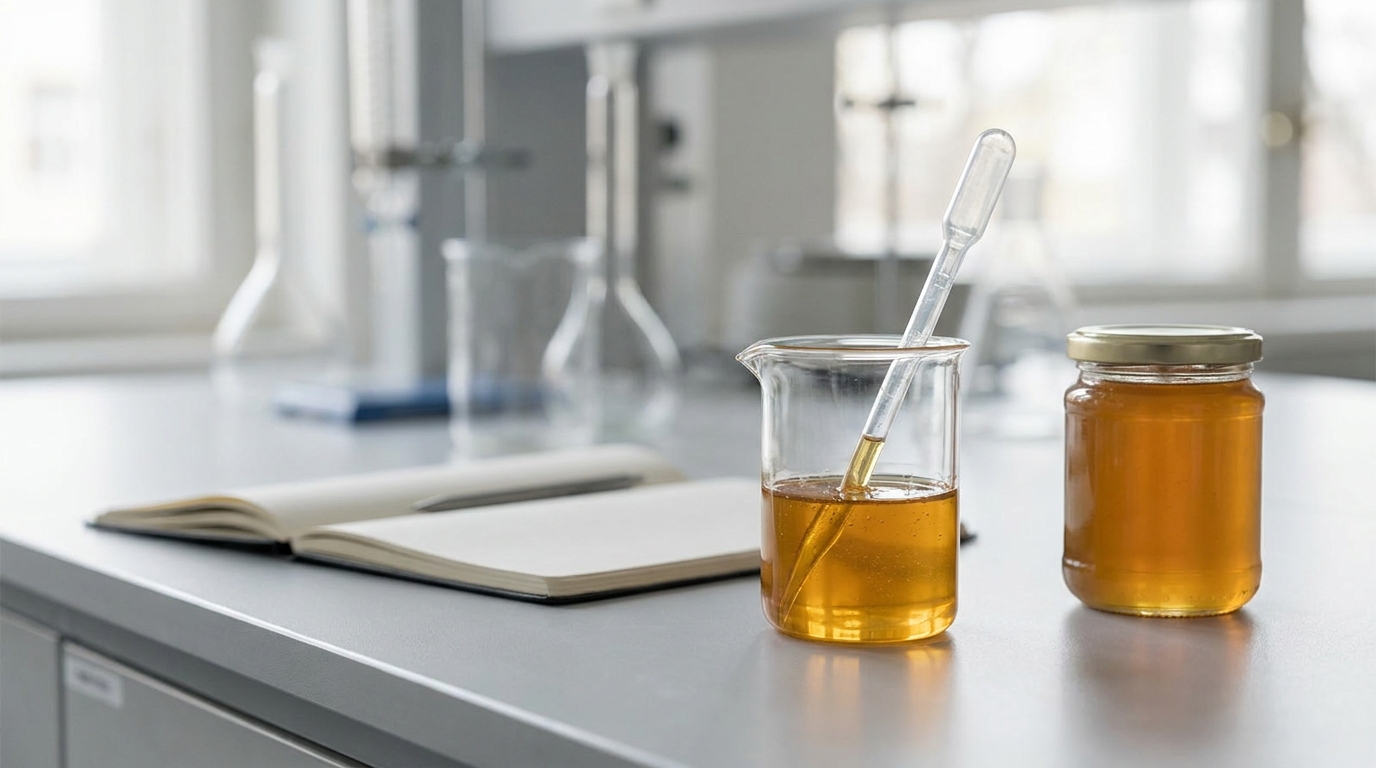
The U.S. Food and Drug Administration (FDA) announced on April 13, 2026, the publication of its Fiscal Year 2025 (FY25) sampling results, specifically targeting economically motivated adulteration (EMA) in honey. This initiative is part of the FDA's broader commitment to ensuring the safety and integrity of the food supply chain, addressing practices where cheaper substances are substituted for or added to more expensive ingredients for financial gain. The focus on honey is particularly significant due to its high market value and vulnerability to such adulteration.
EMA in honey typically involves the addition of cheaper syrups, such as corn syrup, rice syrup, or beet syrup, which can dilute the honey's nutritional value and misrepresent its origin. Consumers often purchase honey expecting a pure product, and adulteration undermines this expectation, potentially impacting dietary choices. For instance, products like Cheerios Honey Nut, which scores 24/100 on FoodScore, contain honey as an ingredient. The integrity of that honey is crucial for accurate labeling and consumer trust in such processed foods.
FDA's Sampling Methodology and Findings
The FDA's FY25 sampling program involved collecting a diverse range of honey products from various points in the supply chain, including import, manufacturing, and retail. The samples were then analyzed using advanced analytical techniques to detect the presence of undeclared added sugars or other adulterants. The agency's methodology aims to identify patterns of adulteration and to inform regulatory actions, which can include import alerts, warning letters, or product recalls.
The released results provide a data-driven overview of the prevalence and types of adulteration detected. While the FDA's report does not make sensational claims, it underscores the persistent challenge of EMA across various food categories. These findings are critical for industry stakeholders, helping them to implement more robust quality control measures, and for consumers, who can be more informed about the products they purchase. The FDA continues to emphasize that ensuring food authenticity is a shared responsibility among producers, regulators, and consumers.