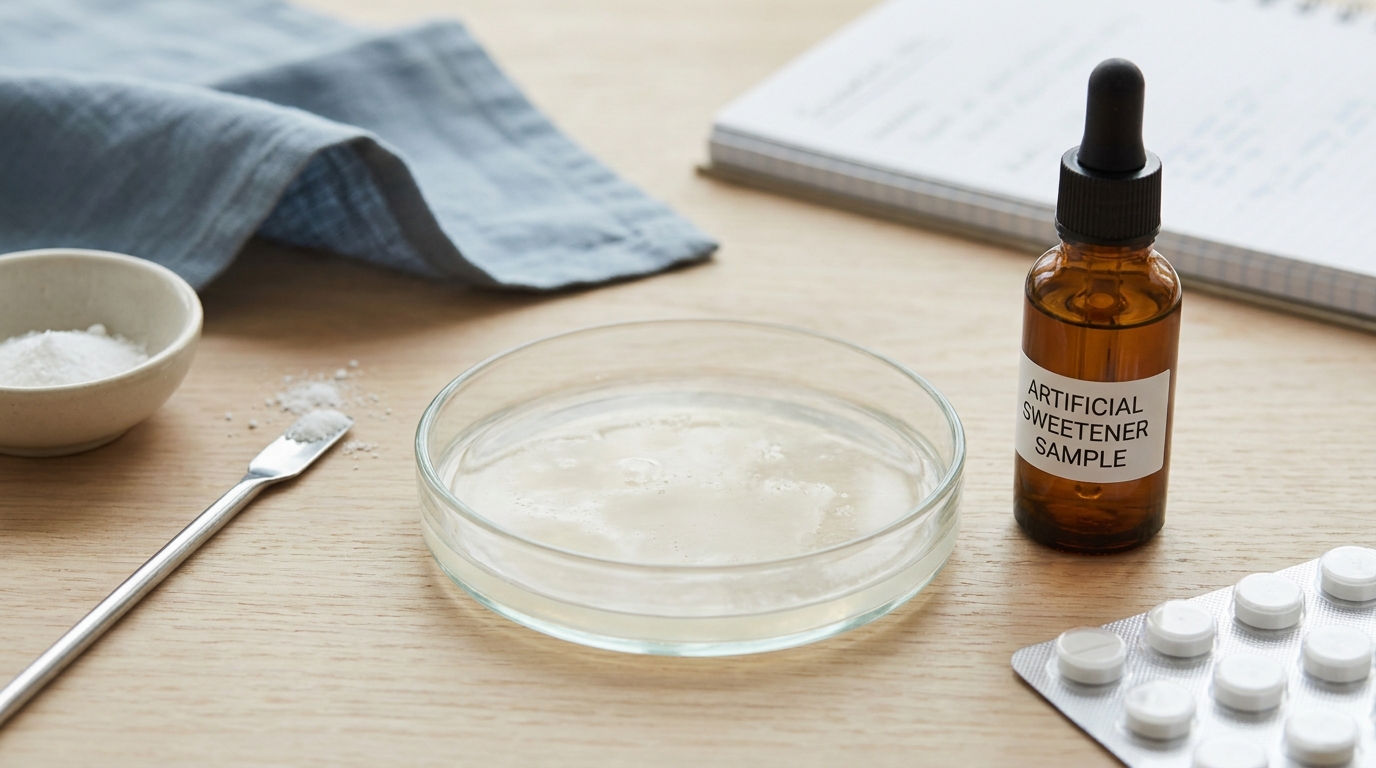
A laboratory study published on July 17, 2026, reveals that a range of widely used artificial sweeteners may directly impact gut microbiota and could interfere with drug metabolism. Researchers at Ben-Gurion University of the Negev and Nanyang Technological University found that six common artificial sweeteners significantly inhibited the activity of key enzymes in gut bacteria. These enzymes are crucial for various metabolic processes, including the detoxification of drugs and other compounds.
The study, conducted in vitro, examined the effects of saccharin, sucralose, aspartame, neotame, advantame, and acesulfame potassium-K on the growth of six different strains of gut bacteria. The findings indicated that saccharin and sucralose were particularly potent in altering bacterial enzyme activity, with some effects observed at concentrations comparable to those found in the human gut after consuming sweetened products. This inhibition could potentially reduce the gut's ability to process and eliminate certain medications, leading to altered drug efficacy or increased side effects.
Potential Drug Interactions
Beyond their direct impact on bacterial growth, the study also explored the interaction of these sweeteners with a variety of medications and caffeine. The researchers observed that sweeteners could interfere with the transport systems responsible for moving drugs and other compounds across cell membranes. This interaction suggests a mechanism by which sweeteners might alter the absorption or elimination of pharmaceuticals, including antibiotics, antidepressants, and even over-the-counter pain relievers. The implications for individuals regularly consuming these sweeteners, especially those on multiple medications, warrant further investigation through human clinical trials.
The research team emphasized that while these findings are from a laboratory setting and require validation in human subjects, they highlight a previously overlooked aspect of sweetener consumption. The widespread use of artificial sweeteners in foods and beverages means that a significant portion of the population could be experiencing these subtle, yet potentially impactful, biological interactions. Future studies will need to focus on in vivo models to determine the precise extent and clinical relevance of these sweetener-drug and sweetener-microbiota interactions in humans.