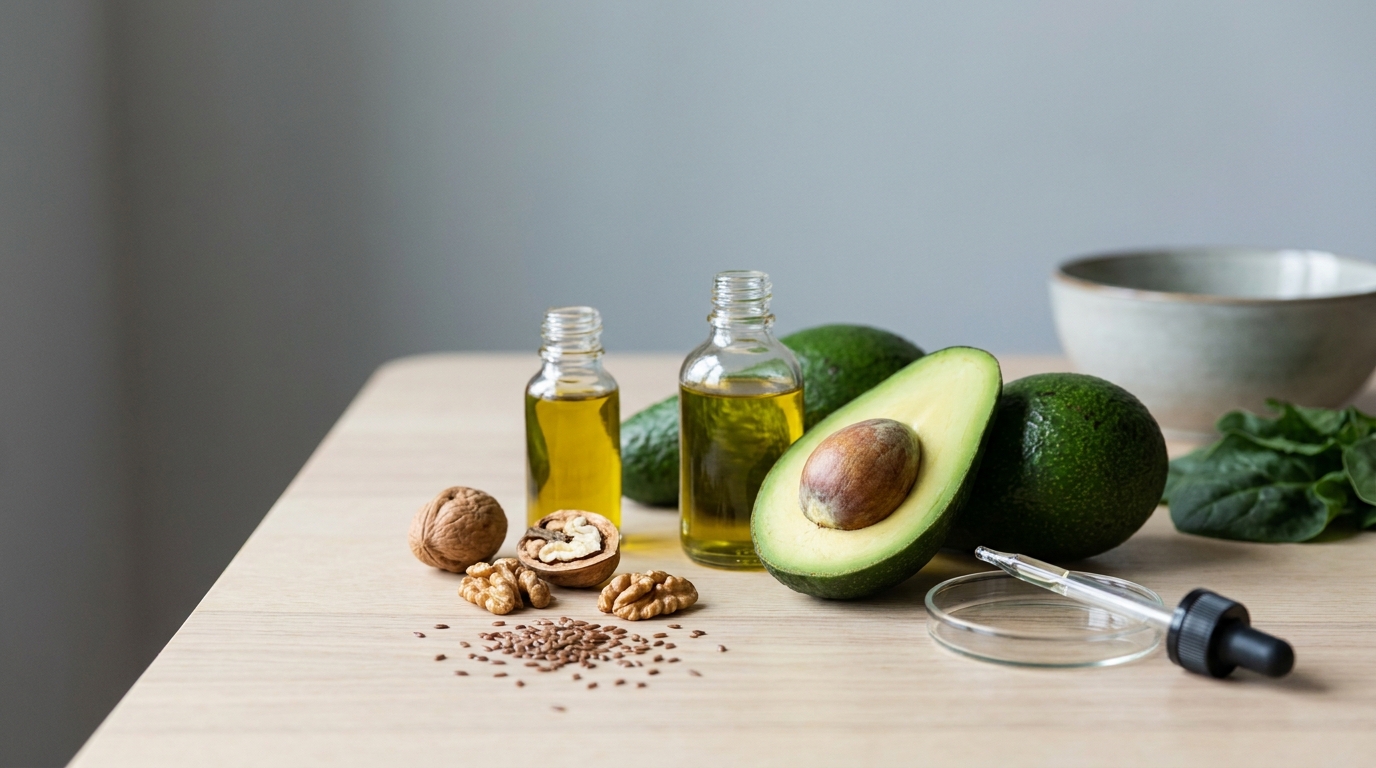
Men diagnosed with non-metastatic prostate cancer who consume higher amounts of plant-based, unsaturated fats rather than animal or saturated fats face a significantly lower risk of overall mortality, according to research published in *JAMA Network Open*. The observational study, conducted jointly by researchers at the Harvard T.H. Chan School of Public Health and McGill University, evaluated the long-term dietary patterns of thousands of patients following their initial diagnosis.
The research team tracked dietary data over several decades, isolating the health outcomes associated with specific types of dietary lipids. The analysis demonstrated that substituting just 5% of daily energy intake from saturated fat or animal fat with vegetable-derived unsaturated fats was associated with a measurable reduction in both cardiovascular mortality and all-cause mortality among prostate cancer survivors. Conversely, high intakes of saturated and dairy fats were not associated with improved long-term outcomes.
Practical Dietary Adjustments
Study authors noted that cardiovascular disease remains a leading cause of non-cancer death among prostate cancer patients, making lipid balance a critical clinical target. Replacing dairy fat and processed meats with vegetable oils, nuts, and legumes helps improve lipid profiles and vascular function. For instance, incorporating plant-rich staples like AL WADI AL AKHDAR FAVA BEANS IN BRINE FOUL MOUDAMMAS, which scores 52/100 on FoodScore, or nut-based items such as 365 WHOLE FOODS MARKET Lunar Dry Roasted Almonds, Peanuts, and Pistachios Trail Mix (FoodScore 58) offers straightforward ways to shift dietary macronutrients away from saturated fats.
While the findings highlight clear benefits for unsaturated fats, researchers emphasize that overall nutritional context and processing levels matter. Selecting options like vegetable oil blends or dressings requires scrutiny of sodium and added sugars; for example, Annie's Olive Oil & Balsamic Vinegar Dipping Oil receives a 31/100 on FoodScore due to formulation factors. The authors concluded that broader post-diagnostic dietary counseling focusing on whole plant lipid sources should be standard in prostate cancer survivorship care.