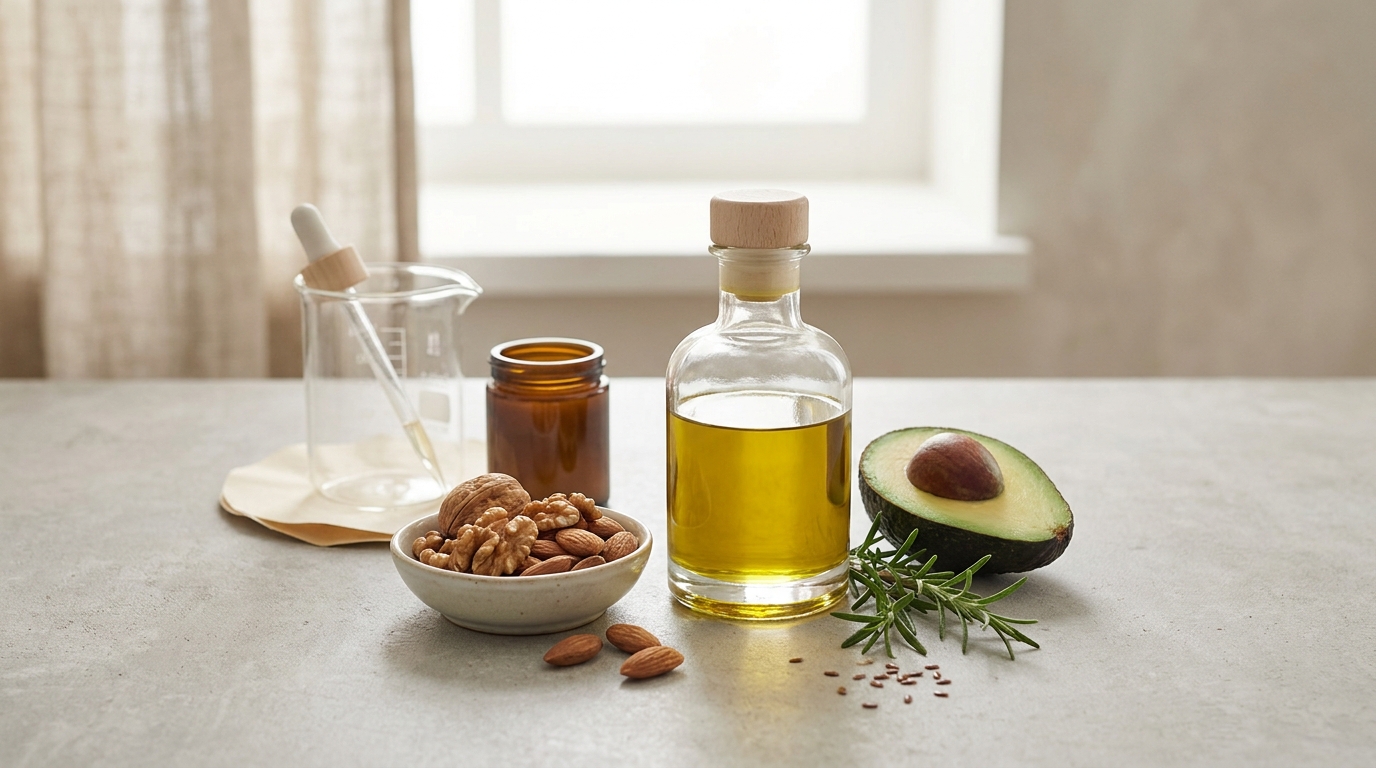
A prospective study led by researchers at the Harvard T.H. Chan School of Public Health and McGill University suggests that dietary fat quality plays a measurable role in long-term outcomes for men diagnosed with nonmetastatic prostate cancer. Published in September 2026, the investigation tracked dietary patterns over several decades, evaluating how different lipid profiles correlate with overall survival and cardiovascular outcomes.
According to the findings, men who replaced 10% of their daily energy intake from saturated animal fats with plant-derived unsaturated fats experienced a lower risk of both all-cause mortality and cardiovascular-related death. The associations remained robust after adjusting for diagnostic stage, physical activity, and total caloric intake. Researchers noted that the primary benefit stemmed from reducing saturated fats rather than eliminating fat entirely from the diet.
Lipid Sources and Dietary Quality
The study highlighted the distinct metabolic effects of vegetable oils, nuts, and seeds compared to animal-based fats such as butter and high-fat dairy. For individuals looking to adjust their fat intake, commercially prepared foods show wide variation in nutritional density. For example, shelf-stable options like BREAST O' CHICKEN Chunk Light Tuna in Vegetable Oil, which scores 81/100 on FoodScore, provide polyunsaturated fats alongside lean protein. Conversely, snack mixes containing both plant fats and processed cheeses, such as 365 Whole Foods Market Lunar Trail Mix (FoodScore 58), present a more mixed fatty acid profile.
Cardiovascular disease remains one of the leading causes of non-cancer death among long-term prostate cancer survivors. Because androgen deprivation therapy and related treatments can adversely alter lipid markers, adopting cardioprotective dietary habits is often recommended by clinical oncology teams. Functional dairy items fortified with plant lipids, such as Activia Chia, Flax, Hemp Seeds Probiotic Drink (FoodScore 55), illustrate the growing availability of products incorporating unsaturated seed oils, though overall dietary patterns remain the dominant factor in metabolic health.
The authors cautioned that the observational nature of the cohort means these findings indicate an association rather than direct causation. Further randomized controlled trials are required to determine whether specific fat substitutions actively alter tumor biology or primarily provide systemic cardiovascular protection.